Booking choice: The private catamaran cruise, 3 hours. Book this Tour details
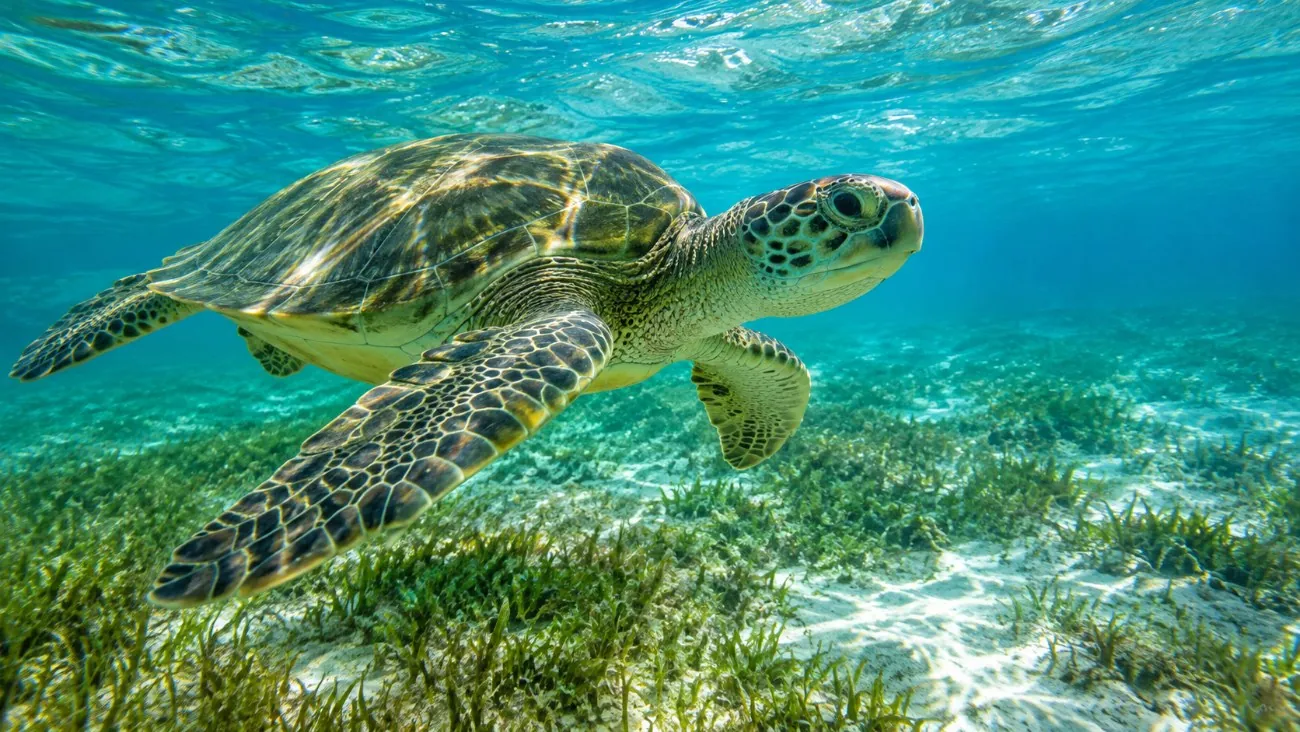
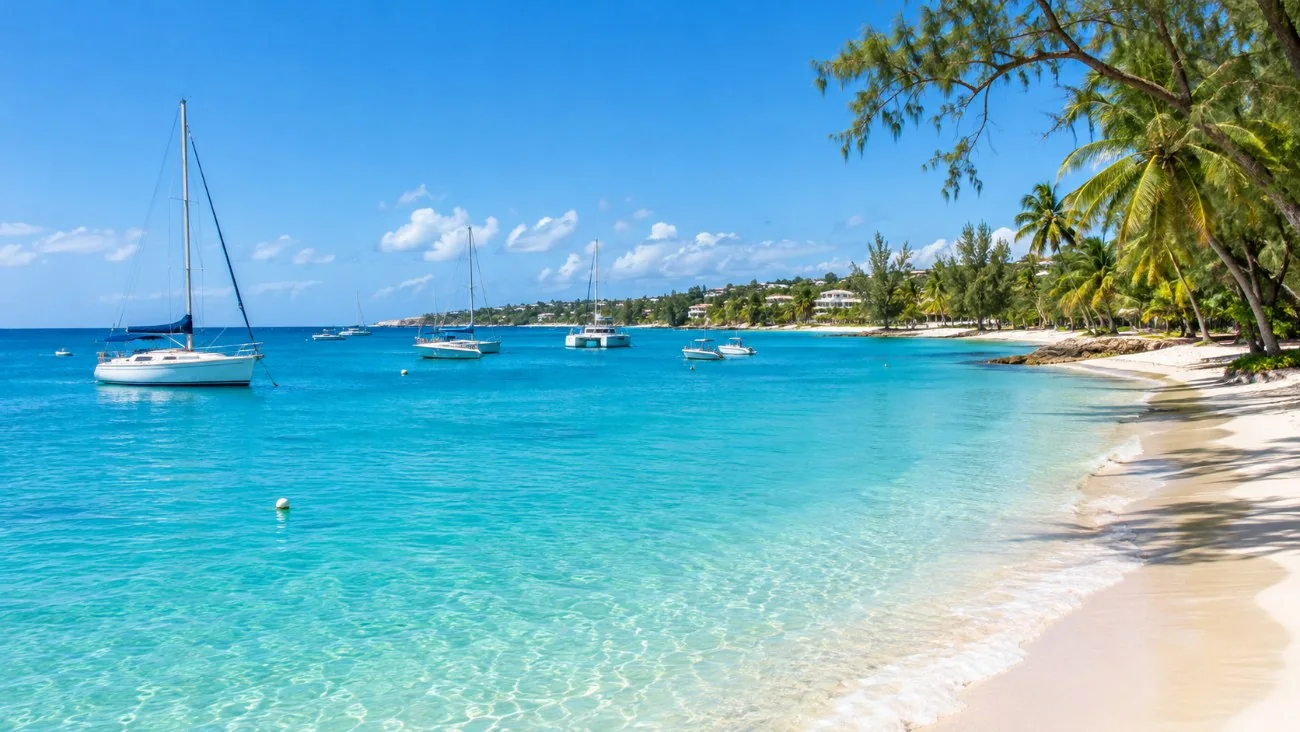
Most visitors meet Barbados turtles from a boat, and most of the turtles they meet are young greens grazing in the shallows of the west coast. The hawksbill is the other story. It is the one that comes ashore on the hotel beaches of the west and south coasts to lay its eggs, at night, from early summer to the end of October, and the island's population is the second largest in the wider Caribbean, according to Visit Barbados.
October is the tail of that season. The last nests go in, the earlier ones hatch, and the Barbados Sea Turtle Project at the University of the West Indies is out on patrol. If you are here this month or next, you may see tracks on the sand in the morning or a hatchling release. This post covers what to do then, and the turtle etiquette that applies on any boat trip, the private catamaran included.
The quick answer
Visit Barbados gives the hawksbill nesting season as 1 June to 31 October, on the west and south coasts. Eggs take about 60 days to hatch, so hatchlings keep emerging into December. Report nesting or hatching to the Barbados Sea Turtle Project hotline on (246) 230-0142, 24 hours a day. Leatherbacks nest on the east coast from 1 March to 31 July 2027.
When is hawksbill nesting season in Barbados?
Visit Barbados gives 1 June to 31 October. Other official pages give a wider window, and the Sea Turtle Project monitors beaches from April to December, so treat the dates as the core of the season, not hard edges.
Sources differ by a month or two at each end, which is what you would expect of an animal and not a timetable. The Visit Barbados turtle page says hawksbills nest from 1 June to 31 October; a second Visit Barbados page on the Sea Turtle Project says April to November. Both agree on where: the calmer west and south coasts, the same sand as the hotels. Each female comes ashore every two to five years and lays four to six nests in a season, returning to the beaches where she hatched 20 to 30 years earlier.The hawksbill is named for its narrow, hawk-like beak and lives almost entirely on sponges, which it picks off the reef. The trade in its mottled shell is why it nearly disappeared. Since 1998 it has been illegal in Barbados to harvest any sea turtle or to possess turtle products, with fines and prison as penalties, and that includes any tortoiseshell souvenir.
| Turtle | Nesting season | Where it nests | Where you meet it |
|---|---|---|---|
| Hawksbill | 1 June to 31 October (Visit Barbados) | West and south coast beaches | Reefs on the south and west coasts |
| Leatherback | 1 March to 31 July | East coast beaches | Rarely: it lives in the open ocean |
| Green | Not listed for Barbados | n/a | West-coast swim sites, juveniles |
When do the hatchlings come out?
About 60 days after the eggs are laid, so nests from the end of the season hatch in December. The Sea Turtle Project announces public hatchling releases on its social media.
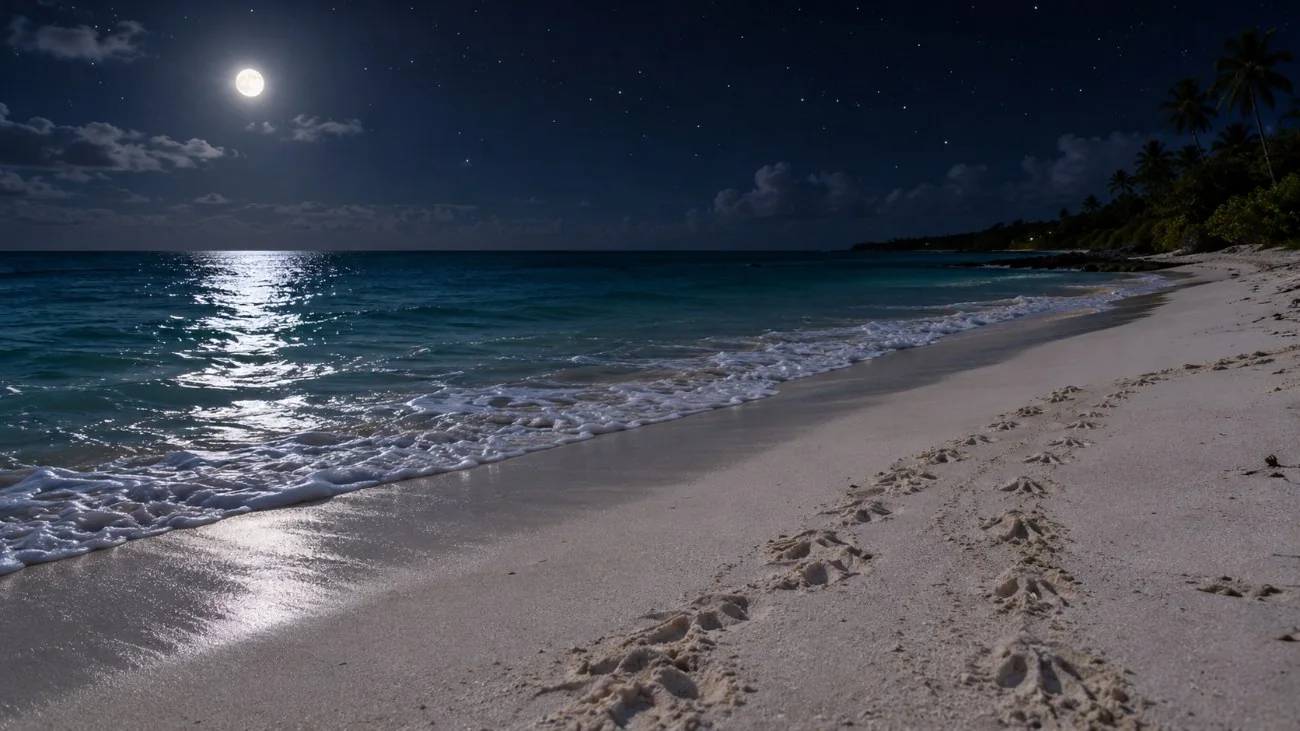
A hawksbill nest holds about 160 eggs on average and takes about 60 days to hatch, according to a University of the West Indies fact sheet. Do the sums on an October nest and you reach December, which is why hatchlings appear on Barbados beaches well after the nesting season has closed. The same sheet says hatchlings find the sea by the reflection of the moon on the water. Beach lights confuse them, and the Project's staff rescue hatchlings disoriented by hotel lights.The Project runs public hatchling releases and posts the times on its Facebook page (barbadosseaturtles.org links to it). If you get to one, the Visit Barbados rule is simple: let the hatchlings find their own way to the water. No picking up, no carrying them down to the waves for a photograph.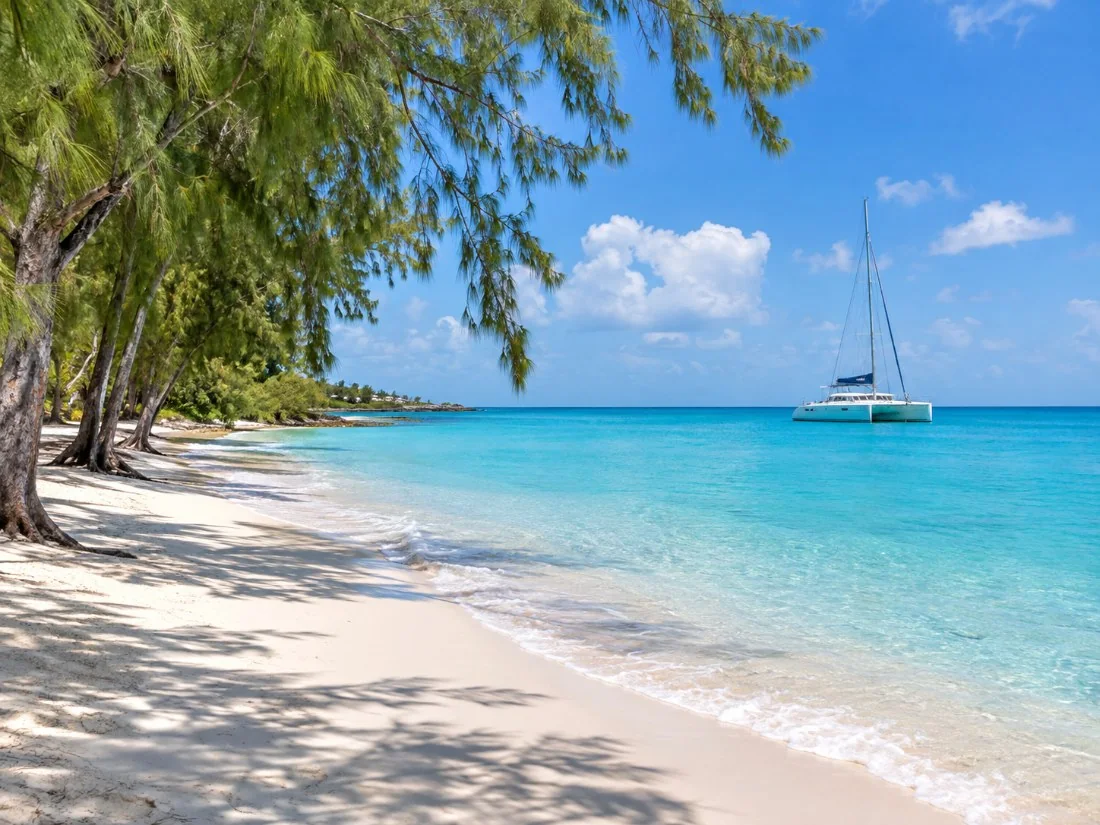
What should you do if you see a nesting turtle or hatchlings?
Stay back, keep lights off, and call the Barbados Sea Turtle Project hotline on (246) 230-0142. It is answered 24 hours a day, all year.
The Barbados Sea Turtle Project asks the public to report any nesting or hatching activity, and lost or injured turtles too. Its staff come out to record the nest, and if a clutch is laid too close to the high-tide line they may move it. A nesting hawksbill is easily disturbed, so the advice from Visit Barbados is to call rather than approach.Put the number in your phone before your first evening walk. On the beach after dark, keep torches and phone screens off: the Project has long asked for beach lighting to be lowered, shielded or turned away from the sand, since light can put a female off nesting. Do not touch the turtle, and do not stand between it and the sea. The Project relies on hotel staff and guests to report what they see, so tell the front desk as well.
| You see | Do | Do not |
|---|---|---|
| A turtle crawling up or digging | Stay back and call (246) 230-0142 | Use a torch, flash or phone light |
| Fresh tracks in the morning | Report them to the hotline | Dig at the end of the tracks |
| Hatchlings on the sand | Call the hotline; keep lights off | Pick them up or carry them to the sea |
| A hatchling heading inland | Call the hotline; keep your own lights off | Put it in a bucket or a box |
| An injured or tangled turtle | Call the hotline, day or night | Try to free a hooked turtle yourself |
Will you see a hawksbill on a boat trip?
Possibly, and nobody can promise it. The turtles Visit Barbados describes at the west-coast swim sites are young greens; hawksbills feed on the reefs of the south and west coasts.
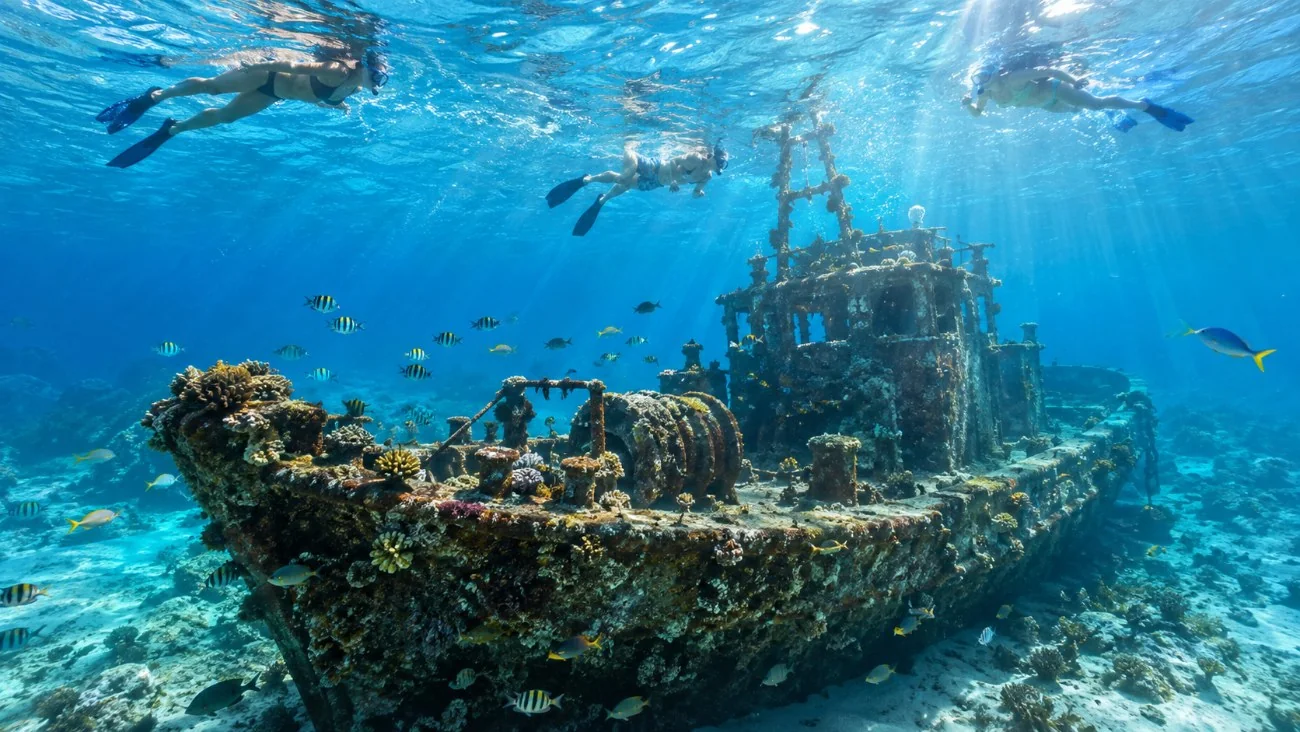
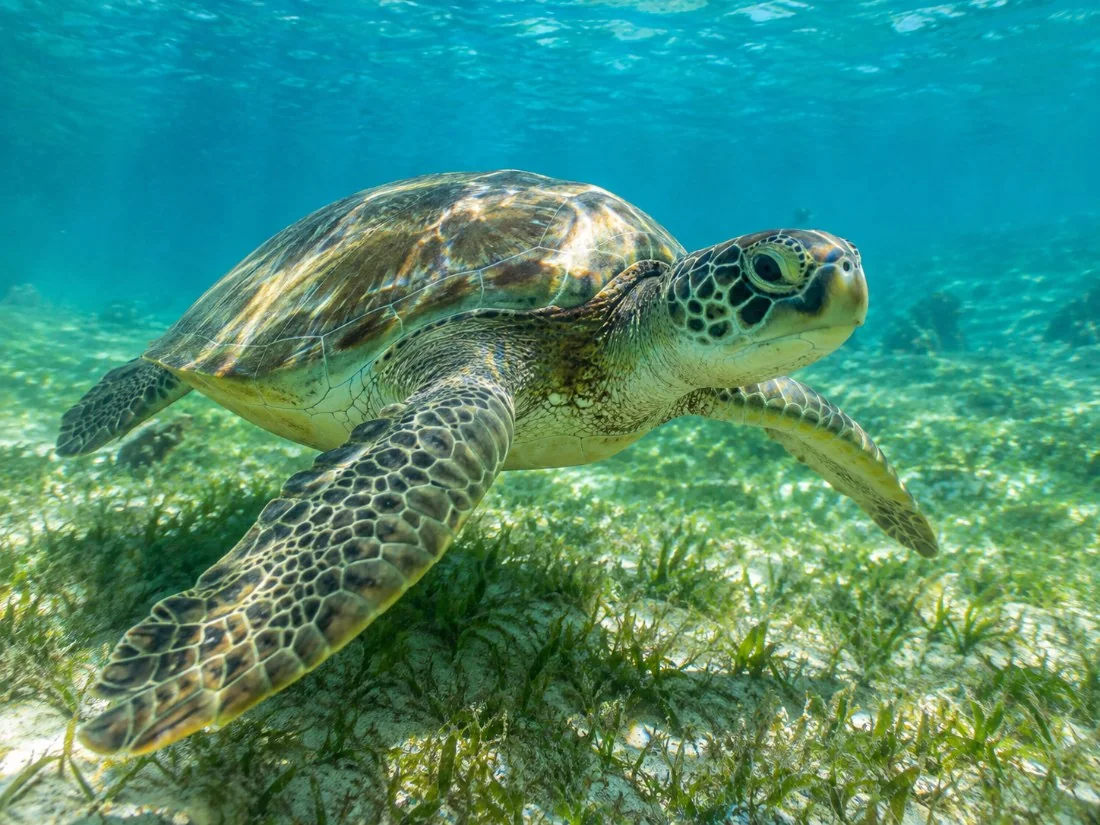
Visit Barbados describes juvenile greens as common on west-coast swimming tours, including the Great Ledge reef and the Stavronikita wreck. Hawksbills are reef animals and sponge eaters; the same page mentions them roaming off Dover Beach on the south coast and seen by divers at Bright Ledge off Speightstown and at Dottins and Johnson's off Holetown. A trip that stops on a reef is where to look for one.How to spot one: the narrow, hawk-like beak, and a shell patterned in green, black and reddish-brown. The private catamaran snorkels reef and wrecks and its listing says turtle sightings are not guaranteed, which is the right way to put it. The luxury cruise offers "a chance to swim with turtles". Our turtle guide explains where each trip stops.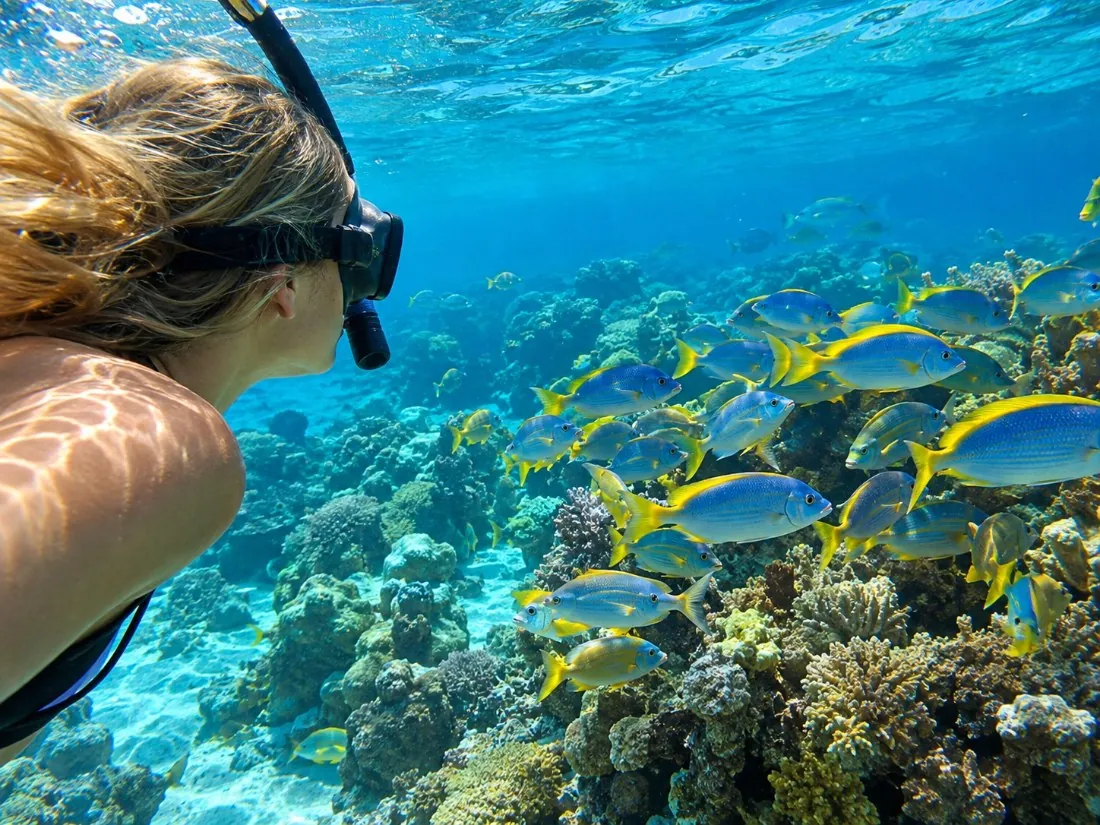
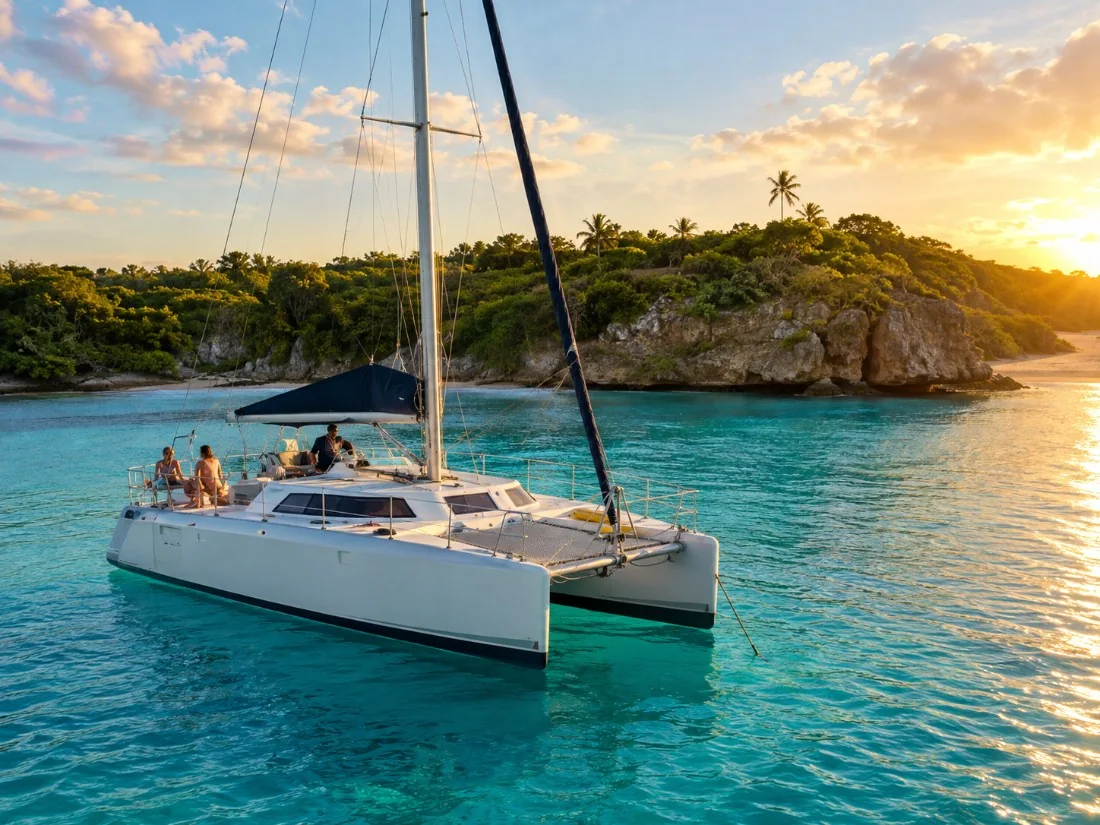
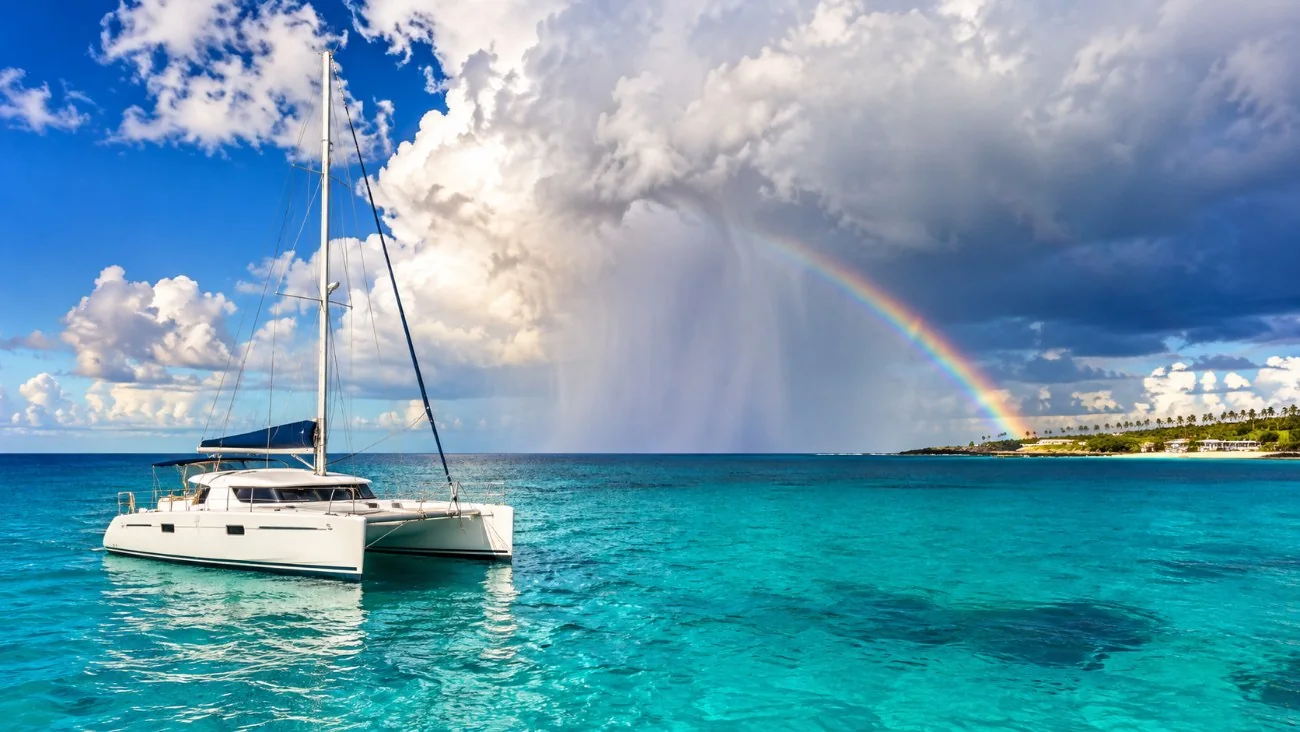
Your group alone on a 30 ft catamaran, snorkelling reef and wrecks. The listing bans touching marine life and says plainly that turtles are not guaranteed.
Book this Tour detailsWhat is the turtle etiquette on a boat trip?
Do not touch, chase or feed them, give them room to surface, and ask your operator whether they feed turtles. Visit Barbados advises against touching and feeding.
Give a turtle room. Hang back, stay flat in the water and let it choose the distance. Visit Barbados advises against touching or feeding turtles and suggests snorkelling when few boats are around. The private catamaran's listing goes further and lists touching marine life as not allowed.Feeding is the bigger issue. Some west-coast operators have fed turtles to draw them to the boats. A 2016 study led by the Barbados Sea Turtle Project (Journal of Wildlife Diseases) found fed green turtles at Paynes Bay and Cobbler's Cove were heavier but showed blood markers the authors linked to possible early liver disease, spent more time at the surface, where the risk of a boat strike is higher, and learned to approach people for food. The fish they are given is not their natural diet, the Barbados Pocket Guide adds. Conservationists discourage it. Ask before you book; a crew that lets the turtles be is the one to pick.
Ninety minutes in Carlisle Bay, an unfed comparison site in the 2016 study: turtles and a wreck through the glass bottom, then a snorkel.
Book thisWhen is leatherback season, and is it worth planning for 2027?
Leatherbacks nest on the east coast from 1 March to 31 July. Plan for it if turtles are your reason to travel; the east coast is rough Atlantic shore, not boat-trip water.
The leatherback is the largest sea turtle alive, with a soft, black, leathery shell spotted with white, and a weight Visit Barbados puts at roughly 250 to 900 kilograms. It nests on the island's wilder Atlantic-facing beaches, and Visit Barbados calls the March to July window the best time to see one. The boat trips on this site run on the calm west and south-west coast, so a leatherback is a night on the beach with the Project, not a snorkel stop.If you want to be part of it, the Sea Turtle Project welcomes volunteers from May to November and patrols high-density beaches at night in peak season. Contact it ahead of your trip. For the rest of us, the 2027 plan is easy: a spring boat trip on the west coast for the greens, and the hotline number in your phone in case the beach outside your room gets a visitor. The rainy-season post covers boat trips in the wet weeks, and our best-time guide sets out the whole year.
Frequently asked questions
When is turtle nesting season in Barbados?
Hawksbills nest on the west and south coasts from 1 June to 31 October, according to Visit Barbados, though some activity runs from April into November. Leatherbacks nest on the east coast from 1 March to 31 July.
What is the Barbados turtle hotline number?
(246) 230-0142, the Barbados Sea Turtle Project hotline. It is staffed 24 hours a day, all year, for nesting, hatching, and lost or injured turtles.
Is it illegal to touch or feed turtles in Barbados?
Harvesting turtles or owning turtle products has been illegal since 1998. Touching and feeding are not covered by a law we can point to, but Visit Barbados advises against both, and conservationists discourage feeding.
Can you see turtle hatchlings in Barbados in November and December?
Yes, sometimes. Hawksbill eggs take about 60 days, so late nests hatch well after the nesting season ends. The Sea Turtle Project posts public release times on its Facebook page.
Ready to book
Choose your boat
Each option opens on GetYourGuide with the operator named and the inclusions listed.
Private Catamaran Cruise with Snorkeling
- The boat and skipper for your group only
- Snorkel gear, life jackets and a certified instructor
- Light snacks, soft drinks and a rum punch
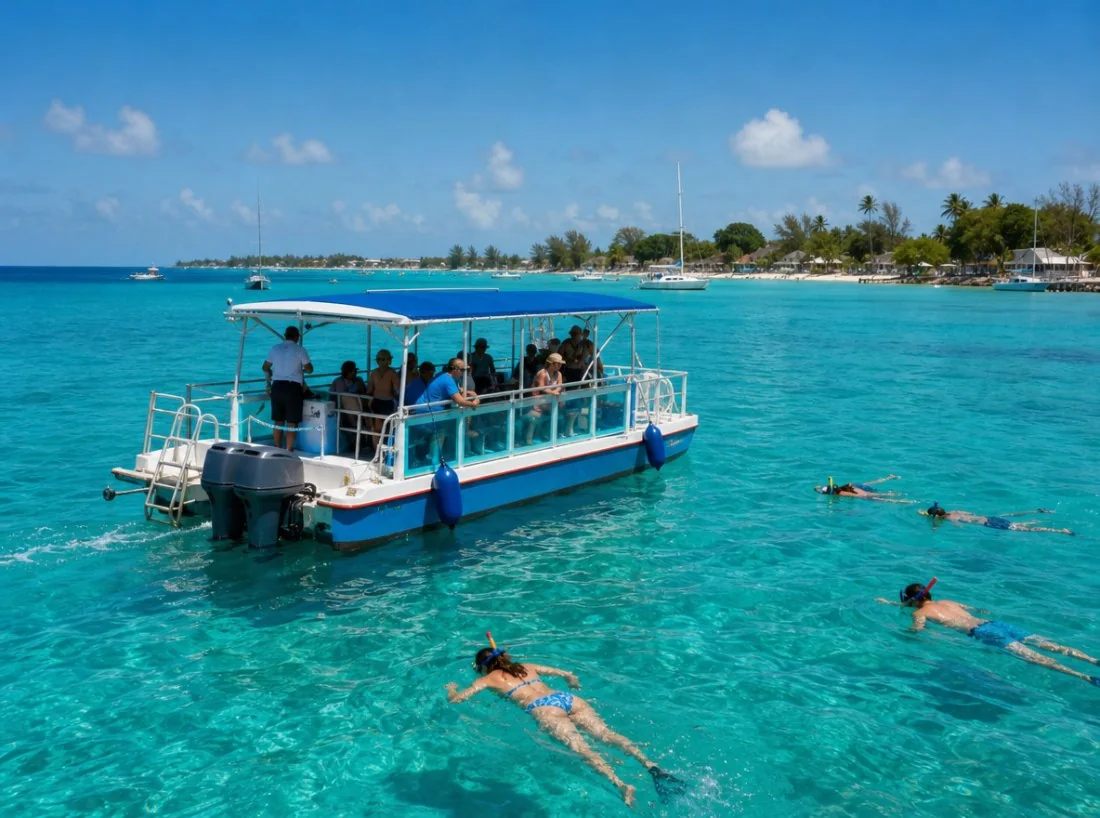
Carlisle Bay Turtle and Shipwreck Boat Cruise
Ninety minutes in the bay: glass bottom, turtles, a wreck and a water slide
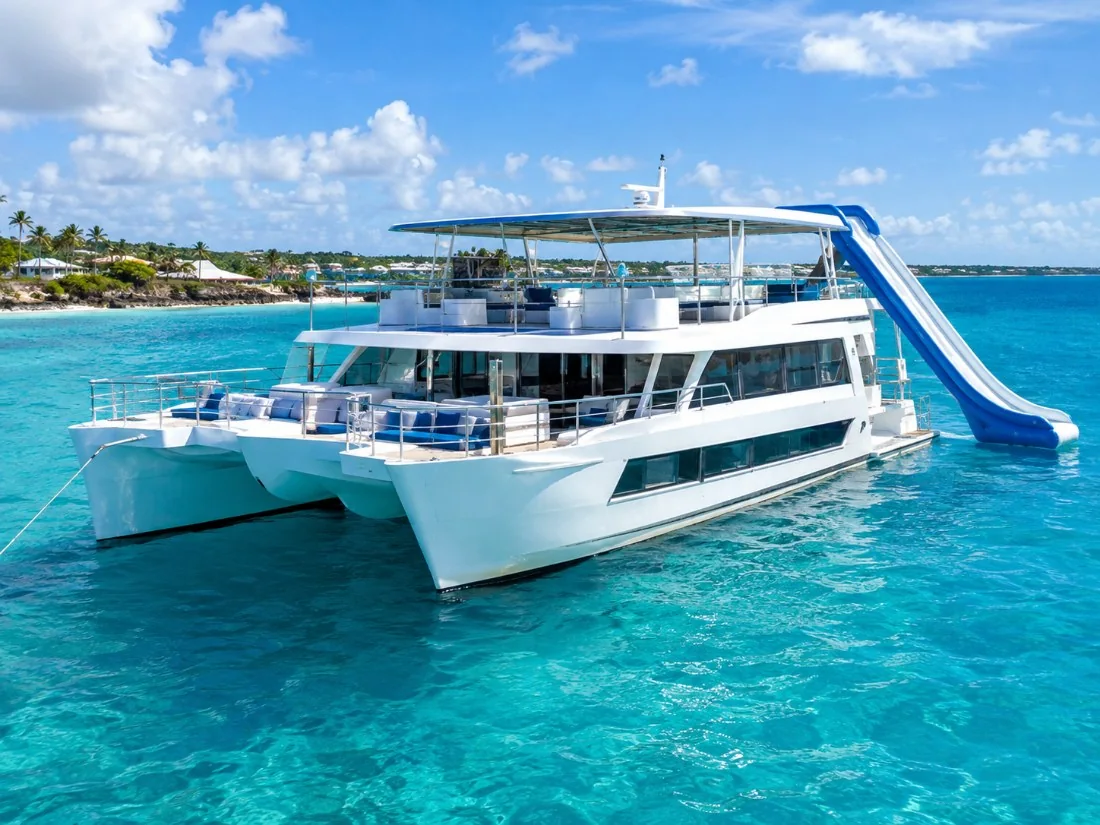
Luxury Cruise with Lunch and Open Bar
- Half-day west coast cruise, crew in orange uniforms
- Snorkel and swim stops, a chance to swim with turtles
- Bajan lunch platter and unlimited drinks